Collect Fragments, Not Masterpieces
Focus on capturing single phrases, sensory textures, or fleeting moments rather than finished projects or structured essays.
Reclaiming your creative spark does not require a dramatic reinvention or triumphant public return. Sustainable energy begins in quiet, low-stakes micro-moments.

When recovering from exhaustion, popular culture often pushes a narrative of dramatic reinvention—the rapid resurgence, the grand masterpiece born from struggle, or the triumphant public declaration that you are fully back. For anyone emerging from deep creative burnout, this pressure to stage a swift comeback can be as draining as the original fatigue. Burnout strips away executive function and emotional bandwidth; forcing yourself back into high-volume output before your foundation is restored only prolongs the depletion. Real recovery demands a fundamental shift in perspective: moving away from performance and returning toward presence. You do not need to unveil a bold new chapter or explain your absence to anyone. Instead, creative recovery is rooted in small, quiet fragments. It is about permitting yourself to notice details, record stray thoughts, and engage with the world without evaluating whether the output is useful, profitable, or worthy of an audience.
Rebuilding a creative practice after burnout relies on structure that supports rather than demands. By lowering the stakes of engagement, you give your nervous system room to settle while keeping your curiosity active.
When traditional writing feels overwhelming, structured micro-interactions inside your private journal can keep your reflective habits alive without draining your energy reserves.
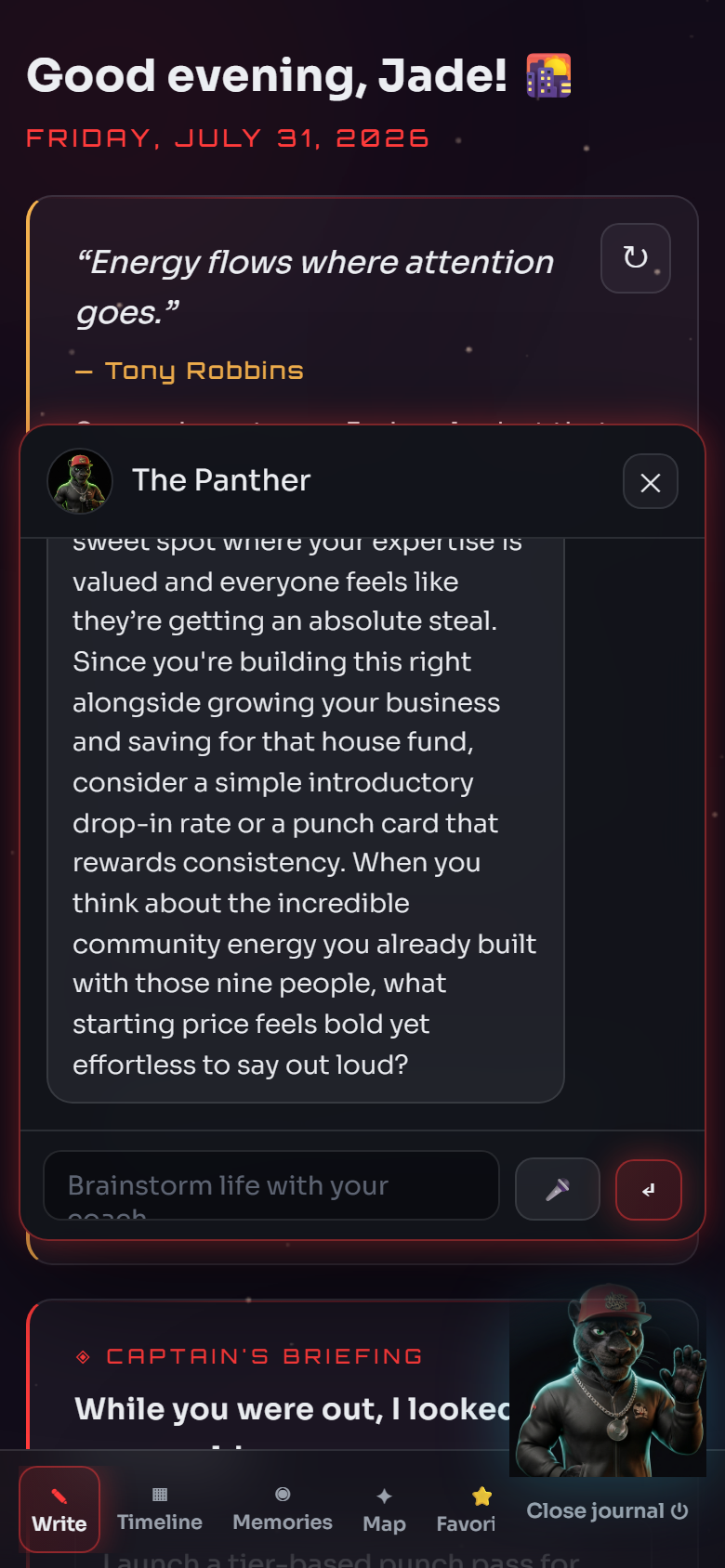
Taking tiny actions removes the pressure of formal writing. Today, make a note about this in your journal: record one thing that gave you a quiet sense of ease today, even if it lasted only ten seconds. Because members choose what they write or save, public articles and advice are never automatically copied into your private journal entries [F2]. When you feel ready to converse, ask your coach: 'How can I gently protect my quiet time this week without feeling guilty?' Lizax Journal specifically excludes generated drafts, research copy, and coach prose from your personal memory condensation [F4], keeping your 600-word core facts summary entirely focused on your genuine life details [F3]. This ensures your private reflection environment remains entirely yours, helping you explore emerging ideas without feeling monitored or rushed toward a public comeback.
Rest is not a temporary intermission before you resume producing for the world. It is the primary environment in which personal clarity and genuine creativity quietly reside.
While engaging in positive expressive writing interventions can meaningfully support subjective health and personal well-being [S1], journaling is an educational and personal development practice—not a clinical treatment for medical conditions. Burnout can sometimes overlap with clinical depression, chronic anxiety, or neuro-systemic exhaustion that requires direct medical care. Rebuilding creative energy through micro-reflections, voice notes, and monthly reviews [F1] serves as a gentle daily support tool. However, it does not replace professional mental health therapy, medical evaluation, or necessary career and lifestyle changes. Recognizing when you need comprehensive human support or professional medical guidance is a vital part of honoring your recovery. Use self-care tools to listen to your internal signals, but give yourself full permission to seek dedicated medical or therapeutic care whenever self-directed practices are not enough.
You do not need a grand strategy or dramatic energy to cultivate self-care and emotional clarity. Discover a private, supportive space built for real life, complete with flexible voice input, long-term condensed memory, emotional reflection tools, and an optional printable yearbook to preserve your journey at your own pace [F1].
Explore Lizax JournalNo. Journaling is a supportive wellness and reflective tool, not a clinical treatment. Systematic evidence shows that positive expressive writing interventions can support subjective well-being [S1], but severe burnout may require medical evaluation and human support.
Voice input lets you record low-stakes thoughts, short reflections, or daily fragments without the cognitive friction of typing or staring at a blank screen [F1].
No. Lizax Journal explicitly excludes creative drafts, scripts, blog copy, and coach prose from personal memory condensation [F4], keeping your coach's bounded rolling summary capped at 600 words of lasting personal facts [F3].
Yes. Members maintain complete control over what they write or save; public articles or guidance are never automatically copied into your private journal entries [F2].
FROM EDUCATION TO PERSONAL ACTION
This article remains public educational content. Inside the private journal, you decide whether to apply it to your own life, save a reflection or discuss it with your coach.