Energizing Dynamics
Which friends consistently leave you feeling energized and seen? Describe a recent conversation that brought you genuine comfort, creativity, or joy.
A practical guide to evaluating relational dynamics, framing honest repair conversations, and preserving memories with the people who shape your life.

Relationships shape our daily emotional landscape, yet we rarely take time to examine them with clarity and intention. A friendship journal acts as a mirror for your social life, helping you observe recurring relational patterns, subtle boundaries, and emotional triggers. Systematic reviews demonstrate that expressive and reflective journaling can assist in emotional regulation and managing psychological distress [S1]. When applied to personal relationships, regular journaling converts vague discomfort or unspoken resentment into concrete insight. Instead of reacting impulsively during a conflict, documenting your experiences allows you to notice who leaves you feeling grounded and inspired versus who repeatedly drains your emotional reserves. Over time, keeping a written or spoken record helps you distinguish between temporary friction and chronic dynamic imbalance. By tracking your social interactions thoughtfully, you cultivate a nuanced perspective on accountability, mutual respect, and authentic connection, laying the groundwork for healthier, more resilient bonds with those around you.
Targeted journaling prompts help untangle complex emotions surrounding your inner circle. Use these prompts to explore energy levels, identify dynamic imbalances, prepare for difficult conversations, and honor shared history.
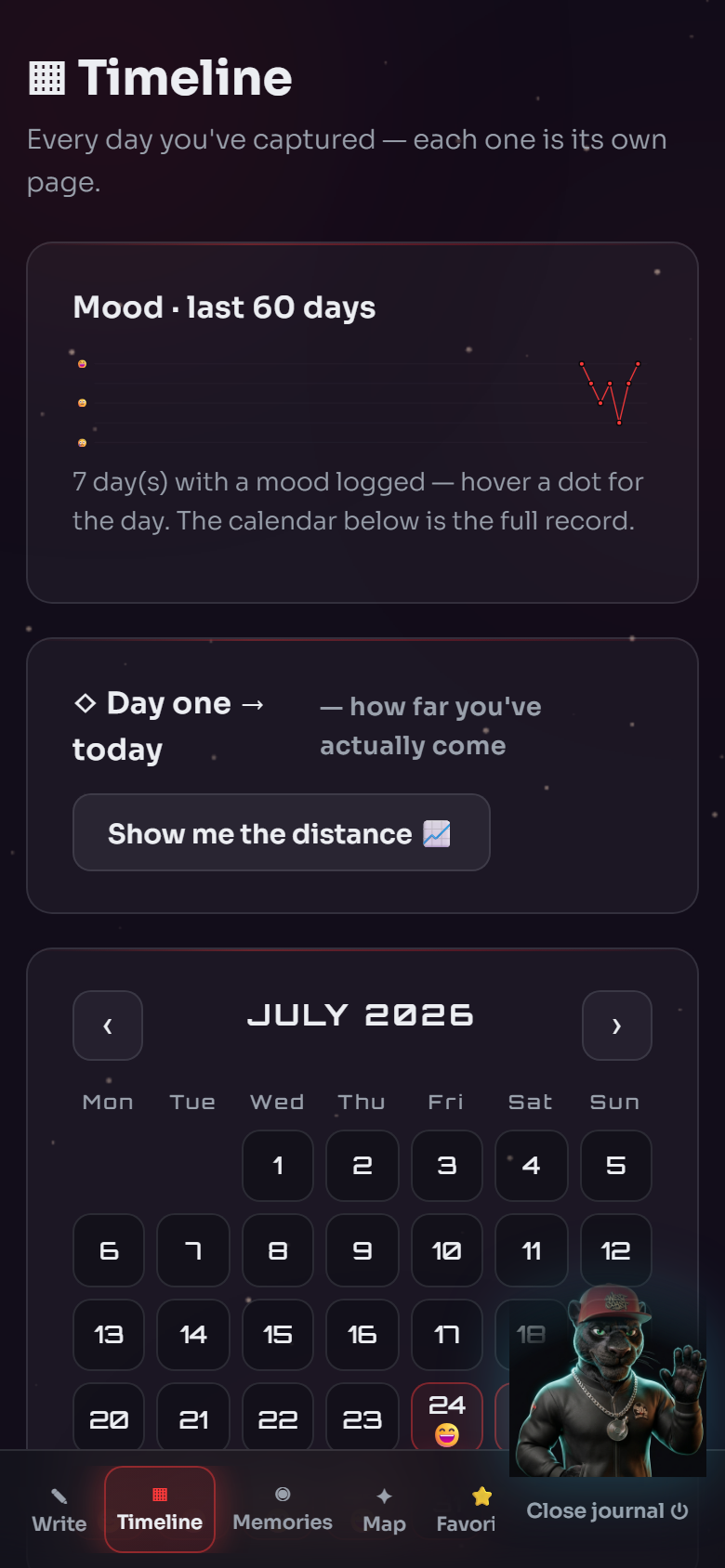
Translating insights into actionable journaling habits is simple when using tools designed for emotional reflection. Follow these practical steps to build a structured, reflective friendship practice inside Lizax Journal.
Clear boundaries are not walls designed to push people away; they are guidelines that define how you can safely stay connected. When dynamic imbalances arise, writing about them helps clarify what you need before you communicate with the other person. Make a note about this in your journal whenever you feel lingering resentment after an interaction, as resentment often highlights a boundary that has been crossed or ignored. Ask your coach: 'How can I express my need for space or mutual listening in a way that is clear, firm, and compassionate?' Your chosen AI coach draws from a bounded rolling summary capped at 600 words to remember your key relational context and ongoing personal goals [F3]. Because generated coach prose, drafts, and research text are explicitly excluded from memory condensation, your core entries stay neat and distinct [F4]. Documenting your boundaries on paper helps you move past emotional ambiguity, giving you the composure required to initiate gentle, effective relationship repair.
While addressing boundaries and friction creates healthy relational soil, celebrating meaningful moments strengthens the bond itself. A dedicated friendship journal allows you to anchor cherished experiences before details fade over time. Using dedicated library tools, you can keep searchable favorites of the people in your life alongside the unique places you visit, shared recipes you cooked together, books you recommended, and memorable activities [F5]. Adding photos and notes creates a vivid archive of your joint history [F1]. Reviewing these entries during your monthly reflection offers perspective, highlighting the steady warmth of enduring friendships even during stressful seasons. When annual milestones arrive, these saved moments can be compiled into a custom printable yearbook, turning daily digital entries into a tangible keepsake that honors your shared journey [F1].
While research confirms that reflective writing supports emotional regulation and self-awareness [S1], journaling is a tool for personal clarity rather than a substitute for professional mental healthcare or direct human communication. Writing in a journal cannot fix a toxic dynamic on its own, nor can it replace open, courageous conversations with the people involved. Furthermore, privacy is paramount when recording honest thoughts about personal relationships. In Lizax Journal, members maintain full control over what they write or save, ensuring that public articles or guides are not automatically copied into private entries [F2]. Personal entries remain entirely separate, allowing you to reflect on complex dynamics, express candid feelings, and explore boundary setting with total confidence that your relational reflections stay secure and personal.
Reflect on your relationships with voice entry, private AI guidance, memory tools, and printable yearbooks [F1]. Begin your journey toward emotional clarity and deeper connection today.
Explore Lizax JournalWriting down your feelings after social interactions helps you identify patterns of exhaustion or resentment, making it easier to pinpoint where boundaries are needed before communicating them.
Yes. Members choose what they write or save, and public content or guides are never automatically copied into your private journal entries [F2].
The coach uses a bounded rolling summary capped at 600 words for lasting personal facts, while your full private entries remain separate and secure [F3].
No. Journaling provides personal clarity and emotional regulation [S1], but resolving interpersonal conflict ultimately requires direct, open communication or professional guidance when necessary.
FROM EDUCATION TO PERSONAL ACTION
This article remains public educational content. Inside the private journal, you decide whether to apply it to your own life, save a reflection or discuss it with your coach.