A LIZAX JOURNAL visual created for this guide. The practical journal exercise appears below.
Preparing for the Conversation: Consent, Comfort, and Setting
Preserving family oral history begins long before you press record or open a notebook. Approaching elder family members requires patience, emotional intelligence, and explicit consent regarding what parts of their life story they wish to share and archive. Begin by establishing a relaxed setting where your parent or grandparent feels comfortable, whether sitting at their kitchen table or sharing stories over an old photo album. Clarify how you plan to preserve these memories—whether in personal journals, audio recordings, or a printed family yearbook [F1]. The U.S. National Archives emphasizes that preserving physical family artifacts alongside oral histories ensures paper records and photographs are handled with proper care [S1]. Respect their boundaries; if a topic brings pain, allow them to set the depth of reflection. Always remember that public articles or guidebooks are separate from personal records, and members choose what they write or save in their private journal entries [F2]. Establishing this sense of safety invites candid, meaningful answers.
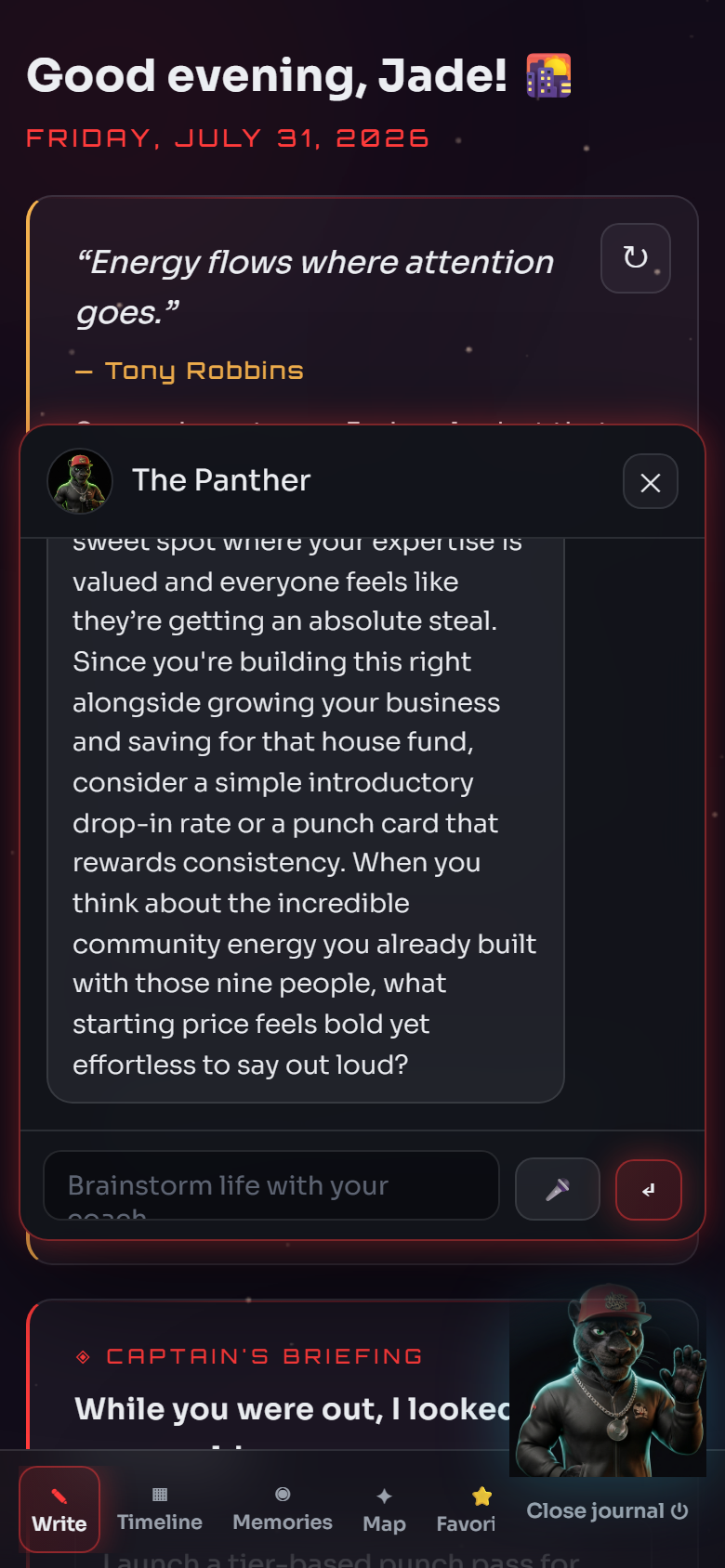
The journal's private AI coach conversation in LIZAX JOURNAL. Use the workbook actions in this guide to carry an exercise into your own private entry.
Core Interview Questions: From Early Childhood to Life Lessons
Structuring your interview with clear thematic categories helps guide elder family members through distinct eras of their lives without causing overwhelm. Instead of asking broad, generic questions, focus on specific sensory memories, decisions, and pivotal milestones.
Childhood & Early Youth
What did your childhood home smell like during dinner? What was your favorite game as a child, and who was your closest friend in school?
Work, Purpose & Hardship
What was your very first job, and what did it teach you about independence? How did our family navigate times of financial uncertainty or major cultural shifts?
Love, Partnership & Migration
How did you meet your partner, and what made you realize they were important to you? If our family migrated, what was the hardest part of leaving home?
Traditions, Recipes & Wisdom
Which holiday traditions mattered most to you growing up? What single piece of advice do you hope future generations remember above all else?
Preserving Tangible Memories: Photos, Recipes, and Favorites
A rich family legacy consists of more than timeline dates; it lives in the tactile and emotional details of daily life. Anchoring oral history interviews around sensory items often unlocks buried memories and opens doors to spontaneous storytelling.
Family Recipes & Kitchen Rituals
Ask for the story behind family dishes, including unwritten ingredients, holiday meals, and daily cooking habits that defined your childhood home [F5].
Photographs & Heirloom Keepsakes
Look through old photograph albums together. Ask who is in each photograph, where it was taken, and what was happening behind the camera that day [F1].
Favorite Songs, Places, & Books
Inquire about the songs that defined their youth, the places they loved visiting, and the books or movies that changed their perspective on life [F5].
Hopes for Future Generations
Document what they want their great-grandchildren to know about their values, resilience, character, and enduring love for their family.
The Four-Step Oral History Process
Following a steady, step-by-step workflow ensures that capturing family history remains a rewarding ritual rather than an exhausting project.
1. Choose Your Medium and Test Your Equipment
Decide whether you will write notes, capture voice dictation, or record casual audio sessions. Test your equipment beforehand so technical glitches do not disrupt the narrative flow.
2. Schedule Brief, Focused Sessions
Limit interviews to 45 or 60 minutes. Shorter sessions keep energy high, honor physical boundaries, and leave room for thoughtful emotional reflection.
3. Catalog Places, Songs, and Recipes
Use structured library tools to save specific favorites—such as family recipes, special places, and beloved songs—associated with their narrative [F5].
4. Reflect and Synthesize
After each interview session, take a few quiet minutes to record your own thoughts and emotional insights regarding what you learned about your heritage.
Try This in Your Journal
You can turn family stories into a permanent personal archive using the intuitive features built into Lizax Journal [F1]. Make a note about this in your journal: Record one family story, recipe, or photograph from your parent or grandparent today. Ask your coach: 'How can I gently guide my grandparent to talk about their early childhood home without pressing too hard on painful memories?'
1. Speak Your Notes with Voice Input
Use voice input to record direct quotes or recount interview conversations immediately after your chat, capturing authentic emotion and detail effortlessly [F1].
2. Log Photos, Places, and Favorites
Add family photographs and record favorite dishes, songs, and historical places into searchable library entries for easy reference [F1, F5].
3. Build Bounded Rolling Memory
As you journal, your coach uses a bounded rolling summary capped at 600 words for lasting personal facts, while full private entries remain separate [F3, F4].
4. Print Your Family Yearbook
At the end of the year, compile your entries, reflections, and family interviews into a tangible, printable yearbook to pass down to future generations [F1].
Capturing the voices and life lessons of our elders bridges the gap between generations, grounding our present identity in the resilience and love of those who came before us.
Reflections on Intergenerational Wisdom
Build Your Family Legacy with Lizax Journal
Start capturing the stories, wisdom, and memories of your parents and grandparents today. With voice input, emotional reflection prompts, searchable favorites, and printable annual yearbooks, Lizax Journal gives you a private, elegant space to preserve your family legacy [F1, F5].
What if my parent or grandparent is reluctant to speak on camera or microphone?
Respect their preferences completely. You can listen attentively during casual conversations and use voice input or written entries in your private journal immediately afterward to document their stories in your own words [F1].
How long should a family history interview session last?
Keep sessions between 30 and 60 minutes. Short, focused sessions prevent fatigue, maintain enthusiasm, and give both of you time to process emotional stories thoughtfully.
Are my family interview notes kept private in Lizax Journal?
Yes. Members choose what they write or save in their private journal entries, and generated copy or research text is explicitly excluded from memory condensation [F2, F4].
FROM EDUCATION TO PERSONAL ACTION
Use this insight inside LIZAX JOURNAL
This article remains public educational content. Inside the private journal, you decide whether to apply it to your own life, save a reflection or discuss it with your coach.
Connected memory systemKeep the entry, people, photographs, places and meaningful details connected to their original story.See how this feature works →
One Life Coach Operating SystemThe journal, memory, goals, timeline, map, favorites, coach and books are connected views—not separate journals.Explore the complete system →
Try it without an accountUse fictional sample data to feel the raw-words-to-coaching transformation. Nothing is saved and no paid AI call is made.Open the interactive demo →
Sources & verified facts
Product: A private AI journal with voice input, long-term condensed memory, a choice of coaches, photos, favorites, places, habits, emotional reflection, monthly reviews and a printable yearbook.
Private app behavior: Members choose what they write or save; public articles are not automatically copied into private journal entries.
Coach memory: The coach uses a bounded rolling summary capped at 600 words for lasting personal facts, while full private entries remain separate.
Memory exclusions: Generated drafts, blog copy, scripts, research text and the coach's prose are explicitly excluded from personal memory condensation.
Library tools: The journal supports searchable favorites for people, songs, dishes, recipes, places, books, activities, products and memories.
This article is provided for educational and personal reflection purposes. Journaling and family history recording are self-care practices and do not replace professional therapy or medical counsel.