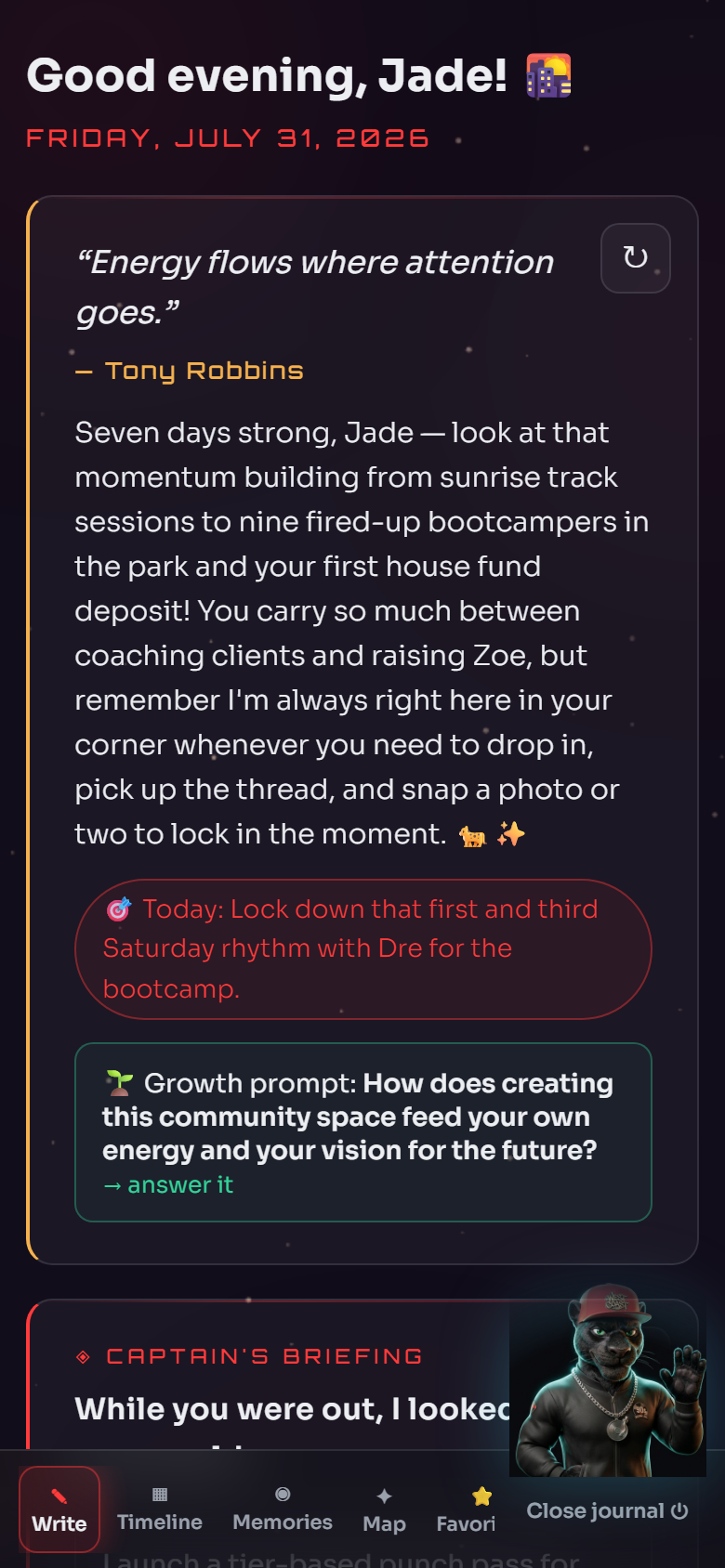
A LIZAX JOURNAL visual created for this guide. The practical journal exercise appears below.
The Burden of Performative Wellness
Modern self-care often metastasizes into an unmanageable to-do list. When elaborate morning rituals, daily habit trackers, and regimented wellness regimes become sources of guilt, self-care has lost its primary purpose. True restoration is not about perfecting a routine; it is about attending to basic human needs when capacity is low. Public health guidance on coping emphasizes foundational strategies such as eating well, maintaining consistent rest, and connecting with supportive individuals rather than committing to complex lifestyle protocols [S1]. Recognizing that wellness feels overwhelming because of its own maintenance is the first step toward reclaiming your agency. Stripping expectations back to simple minimums allows emotional clarity to return naturally, without requiring performative effort, clinical rigidity, or endless self-monitoring.
The private daily writing workspace in LIZAX JOURNAL. Use the workbook actions in this guide to carry an exercise into your own private entry.
The Five Realistic Minimums
When energy reserves are drained, collapse your wellness routine into five foundational touchpoints. These simple habits require minimal output while protecting your core emotional and physical state.
Nourishment Without Performance
Focus on simple, sustaining food rather than idealized meal prep or strict dietary rules.
Passive and Restorative Rest
Prioritize non-demanding quiet, sleeping when tired, and stopping mental output without guilt.
Micro-Environment Adjustments
Clear one immediate surface or open a window to quickly refresh your surrounding sensory input.
Low-Pressure Connection
Send a brief text or spend quiet time near someone without needing to explain your state [S1].
How to Audit Your Self-Care Obligations
Deconstructing a bloated routine requires identifying which habits drain energy instead of replenishing it. Use this straightforward audit to return to what actually serves you.
Identify Involuntary Obligations
List every wellness habit you currently feel guilty for skipping or rushing through.
Strip Away Aesthetic Demands
Remove any practice that you only maintain because it feels like something you should be doing.
Define Your Emergency Floor
Decide on two non-negotiable minimums that keep you grounded during high-stress periods.
Document What Restores You
Keep track of quiet moments or simple foods that genuinely make you feel lighter.
Try this in your journal
You do not need to compose polished essays to gain emotional clarity. When self-care feels burdensome, open your private AI journal and capture candid thoughts with voice input [F1]. First, record a two-minute voice note describing what currently feels heavy, letting your voice capture the candid truth without filtering [F1]. Next, make a note about this in your journal: Save a simple comfort dish or quiet local spot to your searchable favorites so you remember what brings ease when capacity is low [F5]. Finally, ask your coach by selecting a digital companion [F1] and prompting: 'Help me identify which item on my list I can drop today.' Remember that public articles are never automatically copied into your private journal entries [F2]. While journaling supports emotional clarity, it is an educational self-care tool rather than a substitute for professional mental health support [S1].
Grounded Architecture for Private Reflection
Digital reflection should simplify self-care rather than adding metadata maintenance to your workload. Lizax Journal relies on clean, transparent structural boundaries to safeguard your quiet personal space.
600-Word Memory Cap
The AI coach uses a bounded rolling summary capped at 600 words for lasting facts [F3].
Strict Privacy Exclusion
Drafts, scripts, blog copy, and coach prose are explicitly excluded from memory condensation [F4].
Organized Favorites
Supports searchable favorites for people, songs, dishes, recipes, places, books, activities, products, and memories [F5].
Self-care was never meant to be audited, scored, or polished for an audience. It is simply the quiet, practical effort of treating yourself with gentle consideration when life gets heavy.
The Purpose of Self-Care
Return to Simple, Unfiltered Reflection
Explore a private voice-first AI journal designed for candid emotional clarity, personal growth, and creating a permanent record of your life without added friction.
Self-care feels like a chore when it becomes focused on optimization, rigid discipline, and aesthetic performance rather than basic rest and emotional ease.
How does a private AI journal help when I am exhausted?
It provides low-effort voice input and emotional reflection [F1] without requiring polished writing, public audience demands, or complicated habit tracking [F2].
Can journaling replace professional mental health treatment?
No. Journaling and self-reflection tools offer personal clarity and educational wellness benefits, but they do not replace clinical mental health support or medical care [S1].
How does Lizax Journal handle personal memory privacy?
Full journal entries remain separate, while an AI coach relies on a bounded 600-word memory summary [F3], excluding generated drafts and external prose [F4].
FROM EDUCATION TO PERSONAL ACTION
Use this insight inside LIZAX JOURNAL
This article remains public educational content. Inside the private journal, you decide whether to apply it to your own life, save a reflection or discuss it with your coach.
AI journal and contextual coachCapture the reflection in your own words and ask a coach that can use bounded, editable personal context.See how this feature works →
One Life Coach Operating SystemThe journal, memory, goals, timeline, map, favorites, coach and books are connected views—not separate journals.Explore the complete system →
Try it without an accountUse fictional sample data to feel the raw-words-to-coaching transformation. Nothing is saved and no paid AI call is made.Open the interactive demo →
Sources & verified facts
Product: A private AI journal with voice input, long-term condensed memory, a choice of coaches, photos, favorites, places, habits, emotional reflection, monthly reviews and a printable yearbook.
Private app behavior: Members choose what they write or save; public articles are not automatically copied into private journal entries.
Coach memory: The coach uses a bounded rolling summary capped at 600 words for lasting personal facts, while full private entries remain separate.
Memory exclusions: Generated drafts, blog copy, scripts, research text and the coach's prose are explicitly excluded from personal memory condensation.
Library tools: The journal supports searchable favorites for people, songs, dishes, recipes, places, books, activities, products and memories.
This article is for educational and informational purposes only and does not constitute medical or mental health advice. If you are experiencing severe emotional distress or mental health challenges, please consult a qualified healthcare professional or contact support resources such as SAMHSA [S1].